

spiritual insight : ค้นหาหนังสือธรรมะ หน้า 2 / 15
หน้าหนังสือทั้งหมด
104
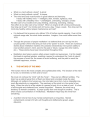
The Balance of Mind and Body
* What is a mind without a body? A ghost.
* What is a body without a mind? A corpse.
* The mind and body must function in good balance and harmony.
- A body with healthy mind = intelligent, alert, m
The text discusses the intricate relationship between mind and body, emphasizing that both must coexist in harmony for optimal functioning. It highlights the necessity of mental care akin to physical
3
World Peace Ethics Contest Inaugural Speech
As this is the inaugural World Peace Ethics Contest, I
regard all of you who have agreed to participate as history-makers
in the forging of World Peace in our world - you are pioneers
in bringing fort
การประกวดจริยธรรมสันติภาพโลกครั้งแรกถือเป็นการสร้างประวัติศาสตร์ในการส่งเสริมจริยธรรมเพื่อสันติภาพโลก ผู้เข้าร่วมเป็นผู้ริเริ่มในการนำสันติภาพมาสู่สังคมระหว่างประเทศและหวังเป็นจริงในยุคใหม่ที่ดีกว่า ม
44
Daily Life of Buddhists and Meditation
Daily Life of Buddhists Meditation
Monica
Luang Por
44
: What do Buddhist's scriptures say about time?
: Time management for laypeople and Buddhist monks
is quite different. Laypeople have to manage t
The text discusses the daily life of Buddhists, emphasizing the significance of meditation and prayer. Laypeople integrate mindfulness into their daily routines, balancing spiritual commitments with w
69
The Superiority of Dhamma over Worldly Existence
33. You were fed by me the milk that could relieve thirst (only) momentarily; But I was fed by you the dhamma-milk that is perpetually peaceful. In this passage, a comparison is made between worldly m
ในบทความนี้เสนอการเปรียบเทียบระหว่างความเป็นแม่ในโลกกับการเป็นบิดาทางจิตวิญญาณ โดยเน้นที่การดูแลร่างกายทางกายภาพและร่างกายทางจิตวิญญาณ รวมถึงประสิทธิภาพในการบรรเทาความกระหายของนมธรรมดาและนมที่เป็น dha
70
The Essence of Dhamma-Milk in Spiritual Growth
related also to the happiness arisen from the realisation of truths, as
mentioned in the previous verse.
In verse 33, Gotami is said to have been fed on the ‘dhamma-milk.’105 Because it is fed to her
The concept of dhamma-milk represents spiritual nourishment derived from the Buddha's teachings, leading to inner peace and realization of truths. Gotami's declaration signifies the transition from ph
92
The Victory of Abandoning: Insights from the Dana Sutta
The Victory of Abandoning
9. Dana Sutta
Those 6 things Then, having exhausted that action, that
power, that status, that sovereignty, he is a returner,
coming back to this world.
7. "-- but with the
The Dana Sutta presents profound insights on the nature of giving and its consequences in the spiritual journey. It describes how the mindset behind acts of generosity can influence their outcomes—whe
19
A Brief History of Wat Phra Dhammakaya: A Spiritual Oasis
B RIEF HISTORY
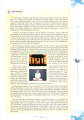
1 In the midst of the daily rush and bustle demanded by modern metropolitan life has grown up a unique cultural centre to encourage and awaken people to the transformation that can be
Wat Phra Dhammakaya, located 16 km north of Bangkok, promotes a culture of peace through meditation. Founded amidst cultural turbulence, it emphasizes spiritual over material values, aiming for world
52
Only Spiritual Attainment Can Help Us
55. ONLY SPIRITUAL
ATTAINMENT CAN HELP US
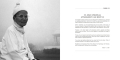
In the entire universe, there is only one refuge from suffering for us, and that is meditative attainment. Hold on to it. Even if you see only a brief flash
In the universe, the only refuge from suffering is meditative attainment. This practice allows the mind to penetrate deep into Nibbana, achieving a state of bliss. However, worldly attachments can dra
190
Bahiya and Konḍañña: Paths to Enlightenment
With those words alone, Bahiya was able to become an arahat. However, there are those, both in Thailand and abroad who look at examples such as that of Bahiya and come to the conclusion that you don't
This text delves into the spiritual journeys of Bahiya and Konḍañña, highlighting how Bahiya attained arahatship with minimal guidance, raising questions about the necessity of meditation for enlighte

93
การเข้าร่วมสงฆ์และการปฏิบัติธรรม
tices. In addition, monks receive the
spiritual support of their fellow
members of the Sangkha. Thus,
joining the order of monks ensures
an environment that reinforces moral
discipline and spiritual v
tices. In addition, monks receive the spiritual support of their fellow members of the Sangkha. Thus, joining the order of monks ensures an environment that reinforces moral discipline and spiritual v

21
การสร้างค่านิยมใหม่ในสังคม
tranformation. We need practical solutions to our mate-
rial poverty. The good news for many amongst you
here, is that implementing spiritual solutions to poverty
and promoting values to promote spiri
tranformation. We need practical solutions to our mate- rial poverty. The good news for many amongst you here, is that implementing spiritual solutions to poverty and promoting values to promote spiri
189
Appendixes on Good Deeds and Paths to Destruction
Part Seven: Appendixes
to perform good deeds and this results in parami formation
within the mind
Roads to Ruin: any of the paths, professions, or actions
that eventually lead to destruction; they inc
This section discusses the significance of good deeds and how they cultivate parami within the mind. It outlines various detrimental paths that lead to personal destruction, including indulgence in li
23
The Lasting Way to Disseminate and Protect Buddhism
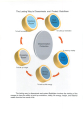
The Lasting Way to Disseminate and Protect Buddhism
Working Room
To build up wealth
Bed Room
To build up motivation
Bath Room
To build up vitality
Dining Room
To build up life energy
Dressing Roo
The text discusses the enduring methods for disseminating and safeguarding Buddhism by training individuals to cultivate motivation, vitality, life energy, insight, and material wealth in the context
68
Understanding Mundane and Transcendental Merit
92. ACQUIRE BOTH MUNDANE
& TRANSCENDENTAL MERITS
Addressing someone who wanted only to meditate and not participate in any mundane chores:
I acquire all forms of merit, mundane and transcendental. Mun
The text discusses the balance between mundane and transcendental merits in personal growth and meditation practice. Mundane merit is achieved through good deeds which contribute to self-development,
86
Understanding Craving and Suffering in Buddhism
ing after such wealth, even though it is acquired by honest
means, is still subject to suffering because it contains craving which is the origin of suffering. Even the craving for the
Brahmā-world and
This text delves into the concept of craving in Buddhism, emphasizing that even honest wealth can lead to suffering due to inherent craving. It discusses how aspirations for the Brahmā-world can trap
140
Understanding the Dhammakāya and Its Mind
reaching the Dhammakāya and becoming one and the same as the Dhammakāya. The body of the Dhammakāya incorporates layers of perception, sensory registration, central processing and cognition in just th
The Dhammakāya embodies a body that resembles human perception while its mind can expand significantly, allowing the meditator to observe the eight inner bodies. This process unveils the Three Signs o
205
Understanding the Noble Truths and the Path to Cessation of Suffering
must be done has been done in relation to Suffering.
3.6 Knowing the Noble Truth of the Cause of Suffering
O! Monks! As a result of practising this Noble Eightfold Path, which gave rise to vision, ins
This text discusses the Noble Truths in Buddhism, specifically focusing on the knowledge related to the Origin of Suffering, the Cessation of Suffering, and the path leading to that cessation. Through

42
Understanding Personal Offerings in Buddhism
42
The Verse of Absoniring
6. Dakkhināvibhanga Sutta
One gives a gift to one who has entered upon
the way to the realisation of the fruit of arahantship;
this is the fourth kind of personal offe
The text elaborates on different types of personal offerings within Buddhist practice, highlighting the spiritual importance of giving to individuals at various stages of realization, including arahan
20
Understanding Boon, Kilesa, and Mara in Theravada Buddhism
Suzanne Jeffrey
We start to talk about general stuff like the weather and his health and how Jon and I are enjoying the Wat experience. I decide to start the questions, believe it or not, and so I ha
In this excerpt, Suzanne Jeffrey shares her dialogue with a Theravada monk, discussing important Buddhist concepts such as boon, kilesa, and Mara. The monk provides insight into the 'Treasure Store Di
63
Concepts of Enlightenment in Buddhism
อายามูชุ cause of ruin; roads to ruin; gateway to destruction
อัย Tant giving of forgiveness
อั ญ ญา super-knowledge; ultra-conscious insight; divine
อิ ธรรม power; spiritual power; supranatural
บทเรียนสำคัญเกี่ยวกับแนวคิดในพระพุทธศาสนา ได้แก่ อายามูชุ (ภาวะสูญเสีย), อรหันต์ (บุคคลผู้มีคุณธรรม), อริยสัจ ๔ (ความจริงอันสูงสุด ๔ ประการ) ซึ่งเป็นรากฐานในการตีความศาสนา พระพุทธเจ้าทรงค้นพบความจริงเ